
BraunAbility
Tools Used
Overview
Personal Contributions

What is BraunAbility?
BraunAbility is a globally leading Wheelchair Accessible Vehicles (WAVs) company that specializes in accessibility transportation solutions. Their goal is to change the lives of people with mobility challenges, and of those who care for them.
Project Scope
Our scope for the project includes increasing customers’ confidence in submitting a contact form for a vehicle that will fit their needs. Our team focused on the consideration and shopping aspects of the customer decision journey, noting actionable recommendations for the BraunAbility marketing team to consider for both mobile and desktop webpages. In completing the project, we would:
- Redesign the current mobile navigation bar on Figma
- Design buyer's guide wireframes for mobile webpages on Figma
Project Milestones

Identifying User Needs
Goals:
- Understand users’ online shopping experiences with BraunAbility
- Gain insights relating to user decisions that could improve the user journey of BraunAbility’s website
Methodology:
- Research BraunAbility website information to understand WAV products
- Analyze the information and resources BraunAbility provided about customers and their previous design decisions
Takeaways:
- From the user research documentation provided by BraunAbility, potential user groups can be sorted into different categories, which experience different needs when buying a WAV for the first time
- Resources provided by BraunAbility indicate that the most prioritized aspects when buying a WAV are:
- Interior Capacity
- Vehicle Appearance
- Ramp Type
- Lift Type
- We will use these preferences when evaluating BraunAbility’s current website state to evaluate how well these components are conveyed and aim to highlight them in our designs.
Evaluating BraunAbility's Current Website
Goals:
- Use insights from the customer decision journey and key marketing takeaways to analyze the current state’s fulfillment of user goals
- Evaluate the website’s presentation of information and pinpoint specific areas for improvement
Methodology:
- Identifying related pages: We identified sections with information that aligned with the background research and prioritized the Consideration and Shopping stages of the process for their high impact on first-time buyers.
- Heuristic Evaluation: We evaluated the interface of the identified related pages by using Nielsen’s Usability Heuristics. We used these heuristics because they put an emphasis on navigation, user control, and aesthetics.
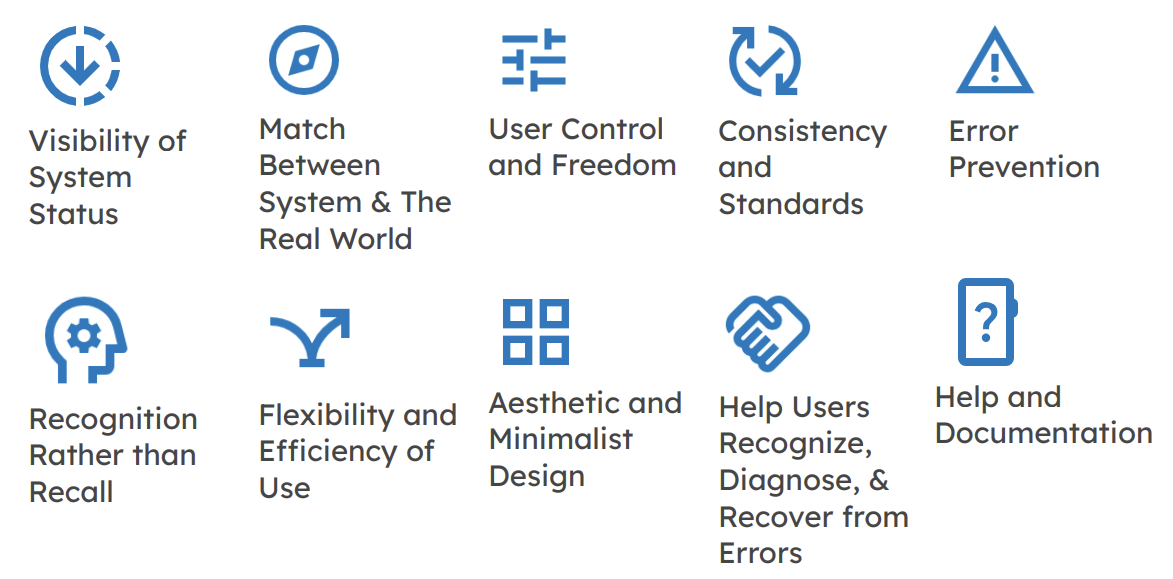
Takeaways:
- We gained an understanding of how BraunAbility organizes information for first-time WAV shoppers and identified pain points to improve on with our designs.
- After identifying these areas of improvement, we next aim to investigate how BraunAbility’s site compares to those of competitors.
Analyzing Competitors
Goals:
- Understand how other vehicle manufacturers and competing mobility companies structure their online shopping experiences
- Identify strengths, weaknesses, and opportunities that could enhance BraunAbility’s shopping experience
Methodology:
SWOT analysis: Determining the strengths, weaknesses, opportunities, and threats for each category of competitors and for BraunAbility.
We examined desktop and mobile platforms separately to assess responsiveness, intuitiveness, and platform-specific experiences.
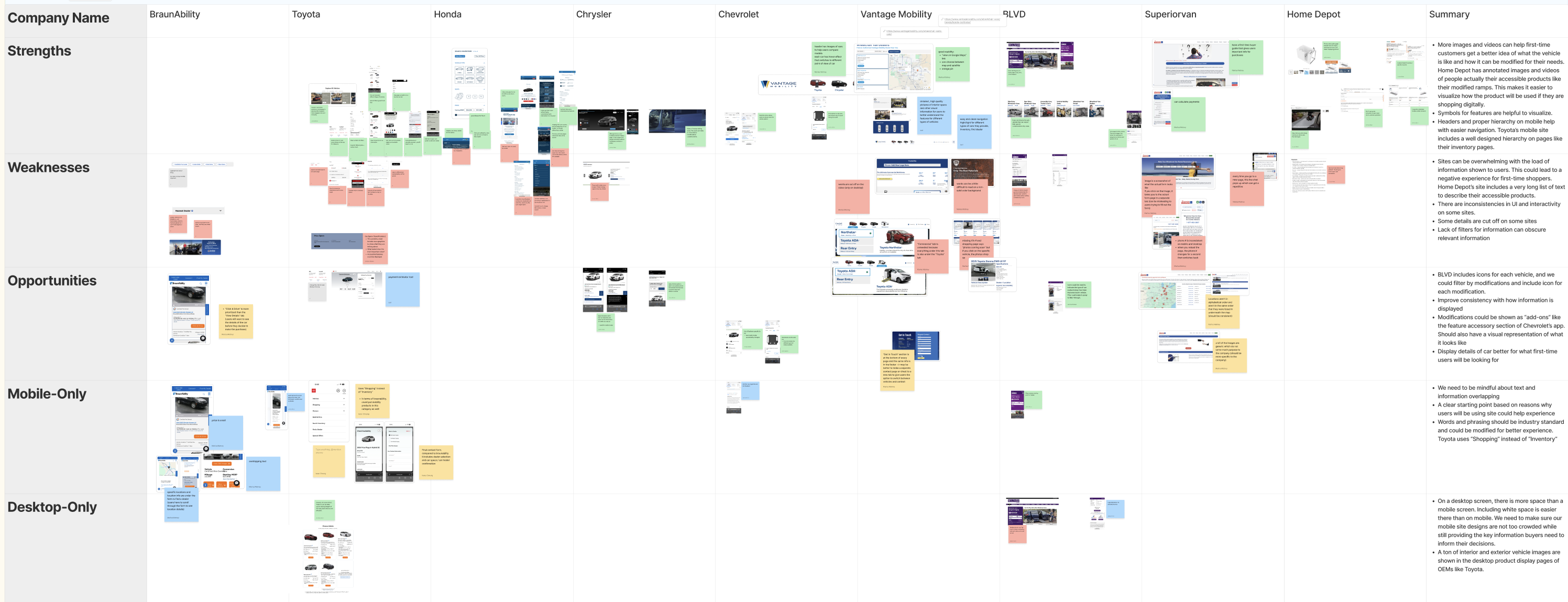
Takeaways:
- During this step, we acquired insights into what other successful vehicle manufacturers execute to make the shopping experience intuitive, easy to use, and/or natural.
- These insights gave us a solid foundation regarding recommendations to provide to BraunAbility regarding their current website experience and areas of improvement moving forward.
Interviews
Goals:
- Understand what information users prioritize when looking at the BraunAbility website
- Understand what would help users feel more informed in their decisions
Methodology:
With the help of BraunAbility, we were able to conduct three interviews from a diverse range of backgrounds and experiences regarding the need for wheelchair accessibility. This allowed us to collect additional references and information that would lead our design decisions for our webpage redesigns.
Takeaways:
- We learned about key details, tools, and features that real BraunAbility customers utilize or consider when shopping for WAVs.
- We plan to use these interview insights to guide our design choices as we begin sketching and formulating our ideas through low-fidelity prototypes.
Sketching
Goals:
- Brainstorm solutions for existing issues on the website found from research
- Use ideas generated from sketching to narrow the direction and focus for our prototypes
Methodology:
- Sketching with Crazy 8’s: an activity in which all team members have two minutes to sketch each new idea. This forced us to ideate quickly and concisely to convey our ideas
- To encourage creativity in our ideas, we kept our focus broad. All sketches were connected to the goal to streamline and improve the first-time buyer experience.
- We grouped our sketches into six categories to find commonalities between our designs.
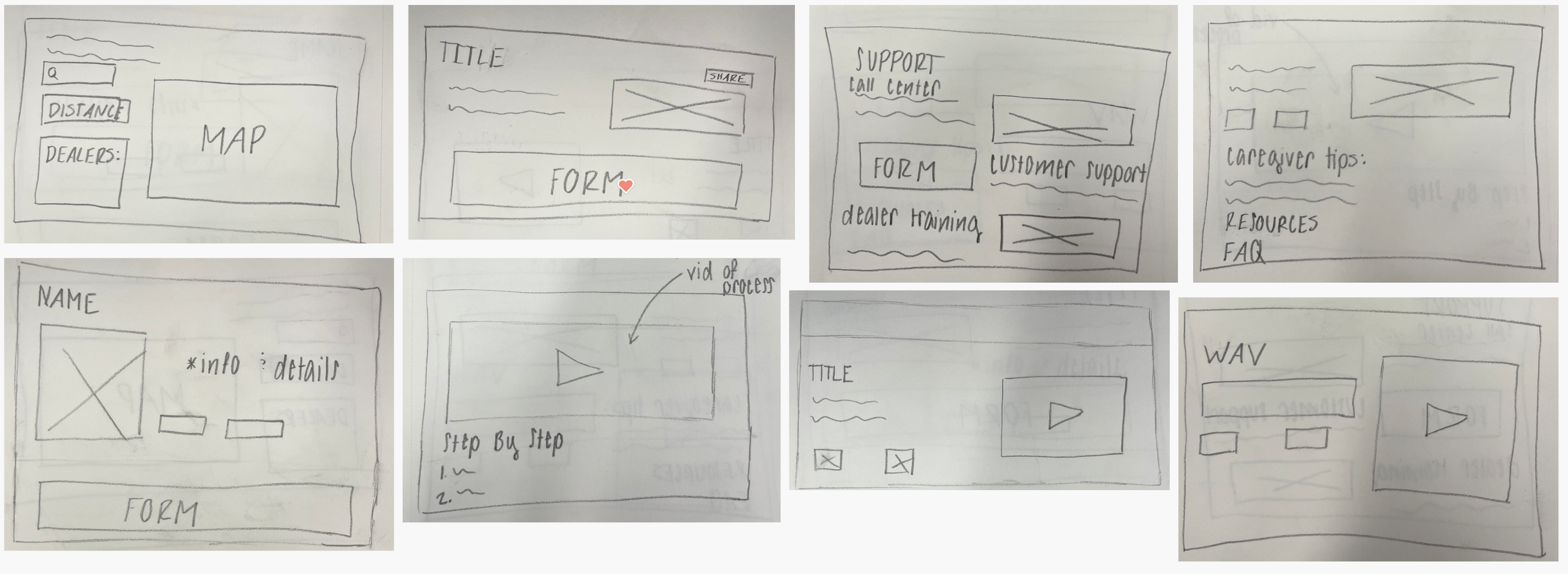
Takeaways:
- We brainstormed redesign opportunities that could improve the experience for first-time WAV shoppers.
- We used ideas from this activity to define areas of improvement and narrowed our design scope to specific website features.
Selecting Our Design Areas
After defining the significant hardship users face on BraunAbility’s website, we brainstormed solutions that would provide a simplified shopping experience:
- Condensed and skimmable wording
- Streamlined presentation of information
- Organization of page sections that align with the first-time shopping journey
- Clear delivery of BraunAbility customization options
We then identified ideas from sketching and brainstorming that would efficiently tackle the problem while utilizing the features listed above. The three design areas we will be focusing on are:

Low-Fidelity Designs
Goal: To plan and visualize initial interface designs of the navigation bar, first-time buyer’s guide, and landing page redesign
High-Fidelity Design & Finalization
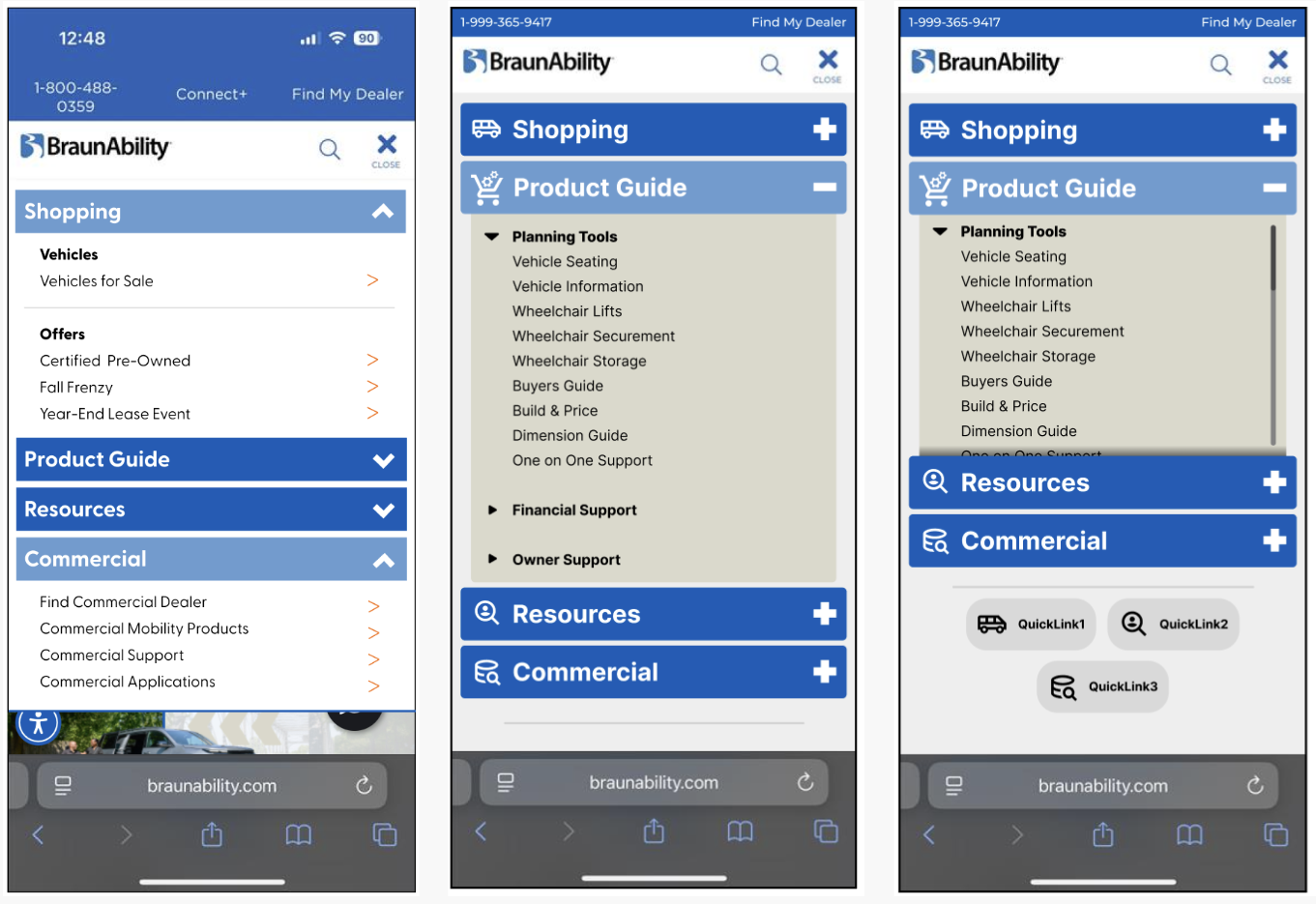
Goal: Improve the consistency, traversability, and accessibility of BraunAbility’s current information content architecture
Methodology:
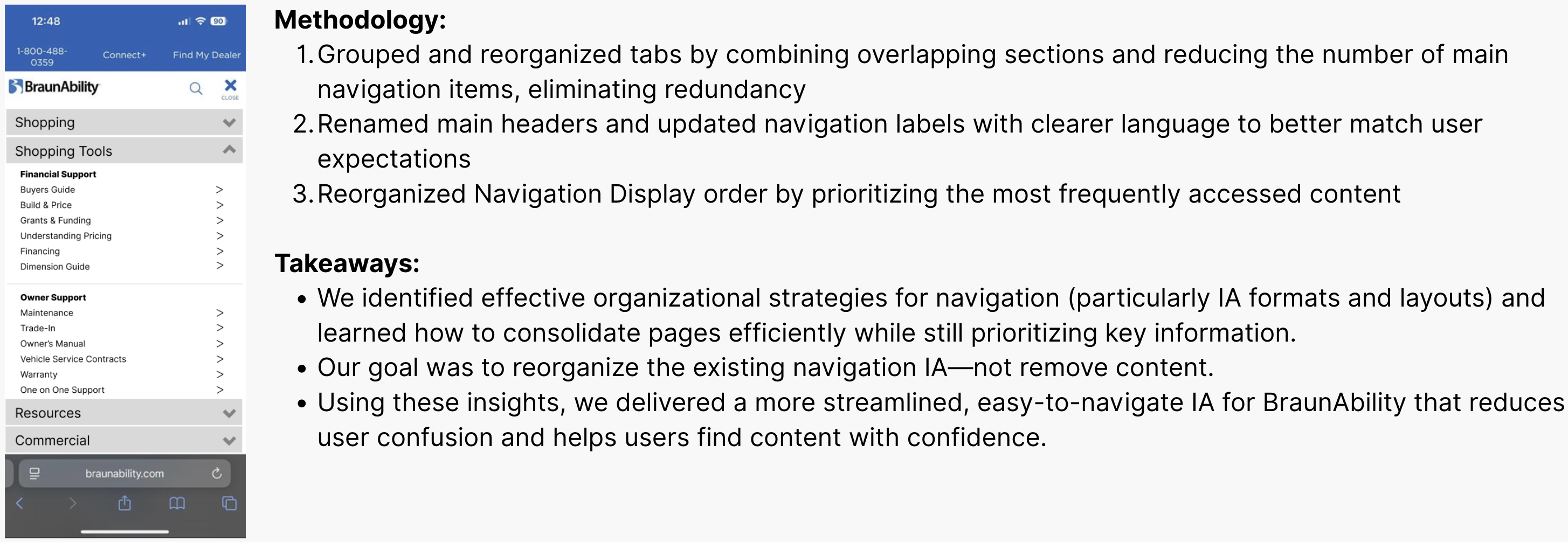
- Sent our revisions of the current information content architecture and low-fidelity wireframes to our sponsor for feedback
- Using our sponsor’s critiques, we designed high-fidelity wireframes of the navigation bar
Buyer's Guide
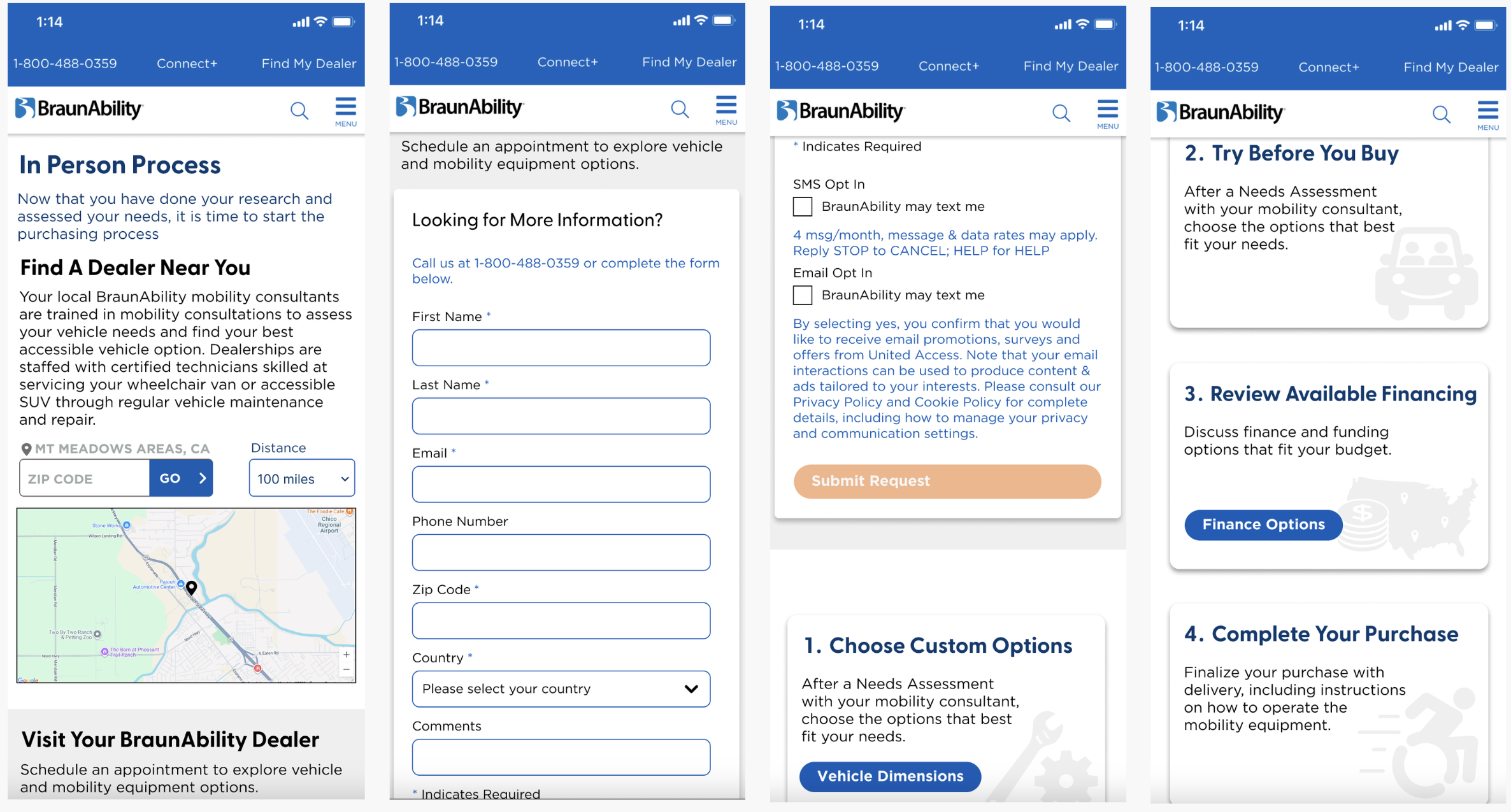
Goal: Centralize information in an order that best supports understanding of the BraunAbility purchasing process and increases awareness of options
Methodology:
- Created an information architecture by selecting and organizing the subsection topics for the First Time Buyers Guide based on insights from research and interviews
- Used the BraunAbility design system for final designs to ensure consistency and branding across our solution
Takeaways:
To plan the stages of the First Time Buyers Guide, we created an information architecture with four subsections of the guide. Each stage of the buyer's guide includes information relevant to the learning and shopping process of a first-time WAV shopper.
1. Customization
2. Financing
3. See In Person
4. Post-Purchase
Final Deliverables
Personal Reflection
Throughout this project, I had the opportunity to build off of the skills and knowledge I acquired from previous coursework projects. I contributed to research methods to help guide designs decisions and sketches to determine focus points for the project. I also became more comfortable with Figma and its features when helping to design the Buyer's Guide pages and the navigation bar. I enjoyed the opportunity to use my creativity to design a user-friendly and easily accessible webpage and navigation bar for BraunAbility's mobile site. This project gave me the experience to design with inclusivity in mind with a user group that I am unfamiliar with. I learned how to expand my knowledge on wheelchair accessible vehicles and attempt to better understand the target audience. Overall, I enjoyed the experience this project provided me.
